
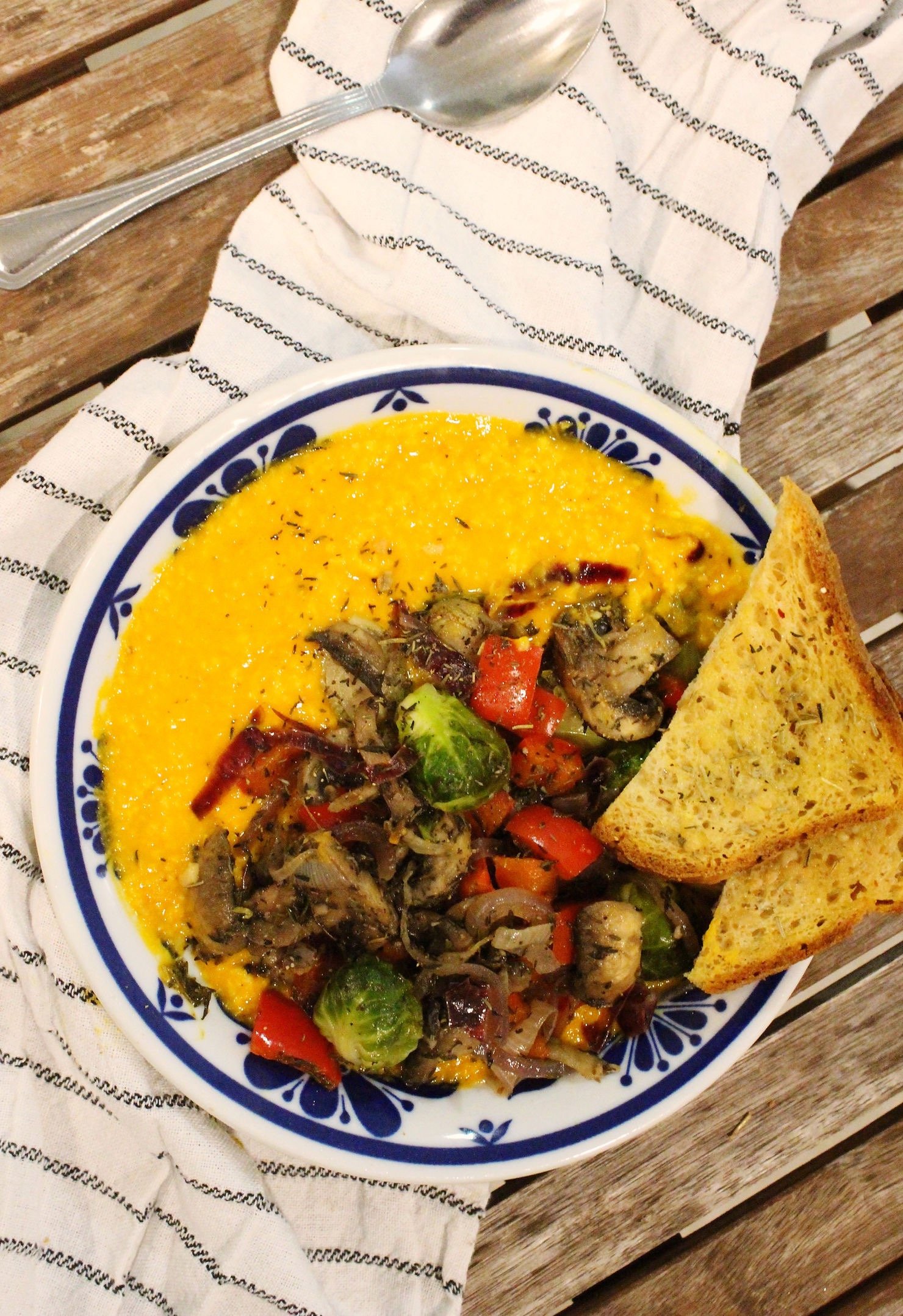
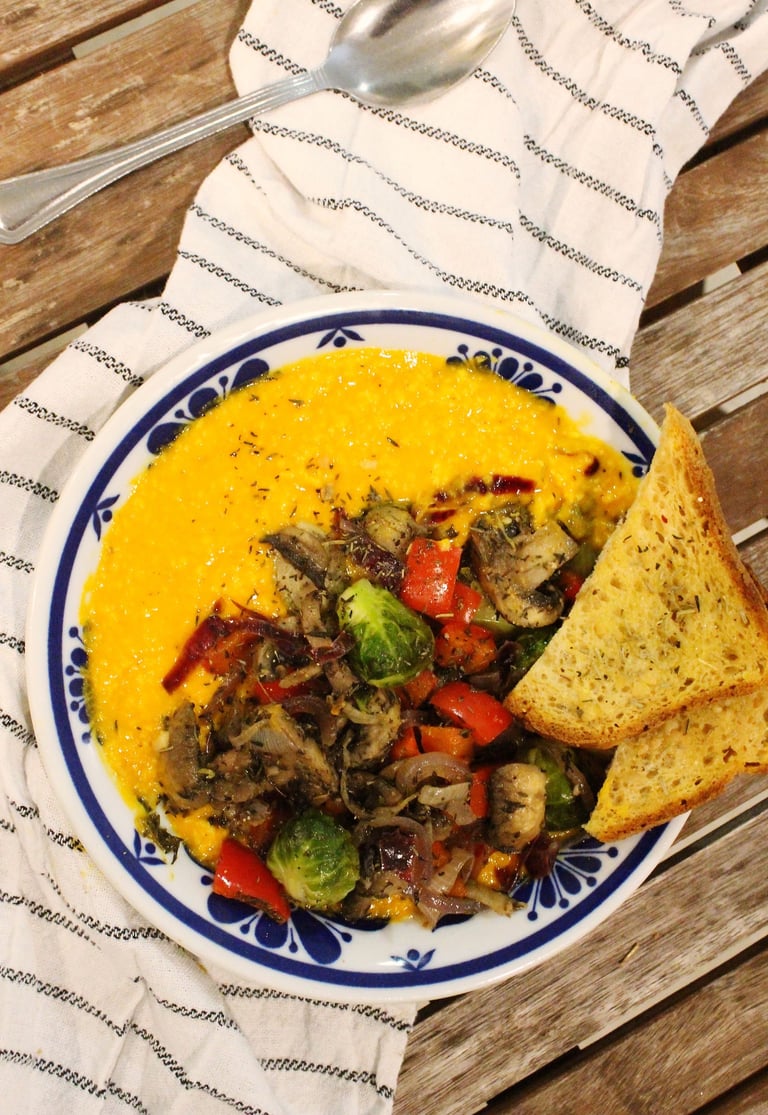
Polenta is one of my favorite simple, comforting dishes. Beyond its versatility, polenta is gluten-free, fiber and antioxidant-rich, as well as heart-healthy.
Polenta is a ground cornmeal and, yes — corn often gets a mixed reputation. Some see it as a nutritious whole grain, while others worry about its effects on digestion and blood sugar. The truth is, when sourced organically and eaten in its whole form (like polenta or fresh corn), it’s a great source of fiber, vitamins, and antioxidants. The key is choosing non-GMO, organic corn to avoid pesticides and processing that strip away its benefits....aaand of course, trying to avoid slathering it in not-so-healthy toppings. When enjoyed mindfully, corn can be a nourishing part of a balanced diet.
From a Chinese medicine perspective, whole grains like those in this super creamy carrot polenta help balance qi, support digestion, and promote gentle detoxification of dampness. I might suggest this recipe for patients who are struggling with fluid retention, fatigue, and even achy joints that get worse in cold weather.
Read on to learn more...


Why I Love This Recipe: Let’s Talk TCM
Polenta is simple, comforting, and endlessly adaptable. It has its roots in Northern Italy, where it was traditionally made with a variety of grains. Once maize made its way into Europe, the cornmeal version we know and love today became a staple.
From both a practical and traditional Chinese medicine (TCM) perspective, polenta is a whole grain that checks a lot of boxes. It is naturally gluten-free, and corn is considered sweet and neutral in TCM food therapy, supporting the Spleen and Stomach and helping the body transform and move excess fluids.
In TCM, we don't look at food solely through the lens of calories, vitamins, or macronutrients. We also consider the properties of foods and how they act on the body. This particular combination of warm, cooked vegetables and whole-grain cornmeal makes this meal especially supportive for digestion and for patterns like dampness and qi deficiency.
The Spleen organ system, in TCM, plays an important role in transforming food and fluids into usable qi and nutrients. When Spleen qi is weakened, dampness can accumulate, which may contribute to symptoms like bloating, heaviness, sluggish digestion, stubborn weight gain, fatigue, and that foggy-headed feeling so many people experience.
Rather than trying to aggressively “detox” or purge dampness, food therapy takes a gentler approach: strengthen digestion so the body can better transform and move fluids on its own.
The Power of Vegetable Toppings
The colorful vegetable topping is where this meal really comes alive. Bell peppers and Brussels sprouts provide vitamin C, while carrots contribute beta-carotene. Mushrooms, onions, garlic, and Brussels sprouts add fiber and a variety of beneficial plant compounds.
From a Chinese medicine perspective, these vegetables also bring different energetic qualities to the meal. Carrots, mushrooms, and bell peppers can be used to support Spleen and Stomach qi, while the pungent qualities of foods like onion and garlic help promote movement. The combination makes this a particularly nice meal when you're trying to nourish digestion without creating more heaviness.
Cooking the vegetables is another intentional choice. Warm, cooked foods are often easier to digest than raw foods, which are energetically much "colder" in nature — especially when digestion is already sluggish or sensitive. Instead of overwhelming the digestive system with a giant raw salad, this meal gives you plenty of vegetables in a warm, cooked, and satisfying form.
And then there's the thyme. From a Western perspective, thyme contains compounds with antimicrobial and antioxidant activity. From an Eastern perspective, thyme is considered warming and pungent, making it a nice herb to incorporate into a meal intended to support digestion and address dampness.
What About Whole Grains?
In traditional Chinese food therapy, there’s a strong emphasis on what are called “coarse grains” — unprocessed whole grains like corn, oats, barley, millet, and beans. These grains have long been considered an important foundation of the diet and traditionally used to nourish qi and support the Spleen and Stomach. Corn, in particular, is described as sweet and neutral and associated with supporting digestion and helping to eliminate dampness.
From a Western nutrition perspective, whole grains provide complex carbohydrates and dietary fiber, which can support satiety, healthy digestion, and regular elimination, while the nutrients in the outer layers support metabolism, immune health, and even the nervous system.
I know grains can feel controversial in the West, and context matters a lot here. How food is grown, processed, and prepared makes a real difference. I always recommend choosing organic, non-GMO versions when possible, simply to reduce exposure to unnecessary chemicals, like glyphosate and let the food do what it’s meant to do: gently nourish, ground, and support the body.

Join Our Mailing List.
Get delicious recipes, holistic health tips, expert advice & more.
Hungry for More?
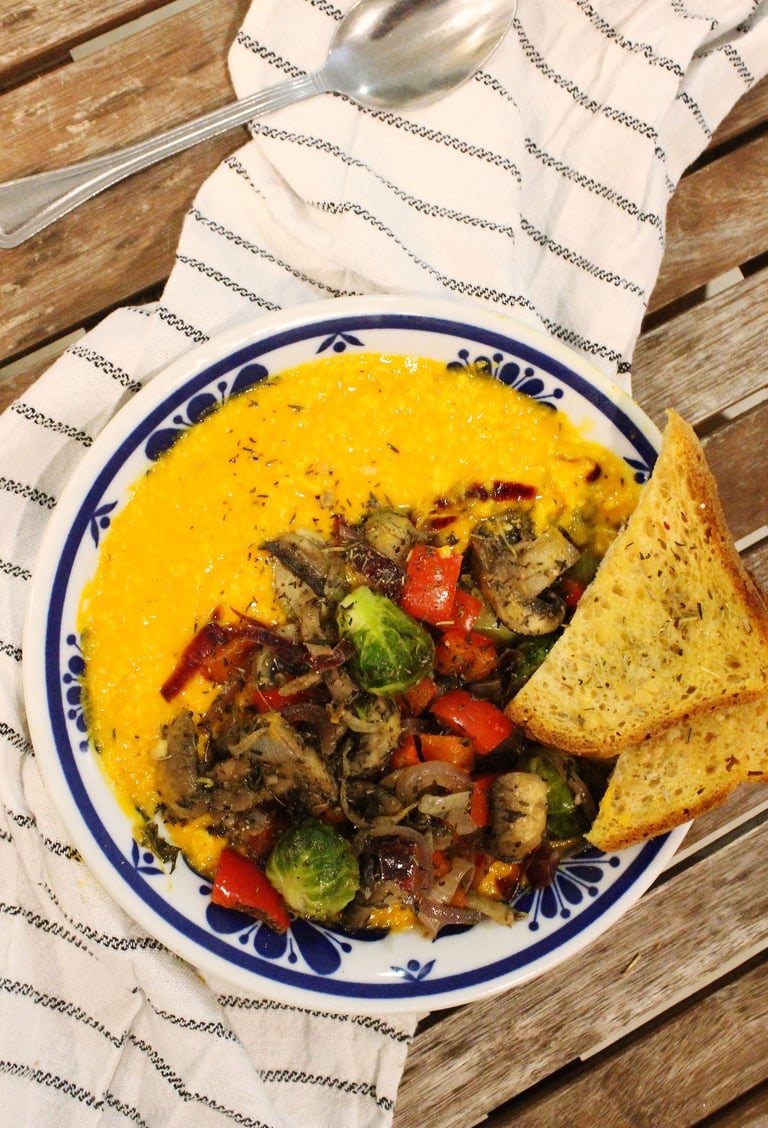
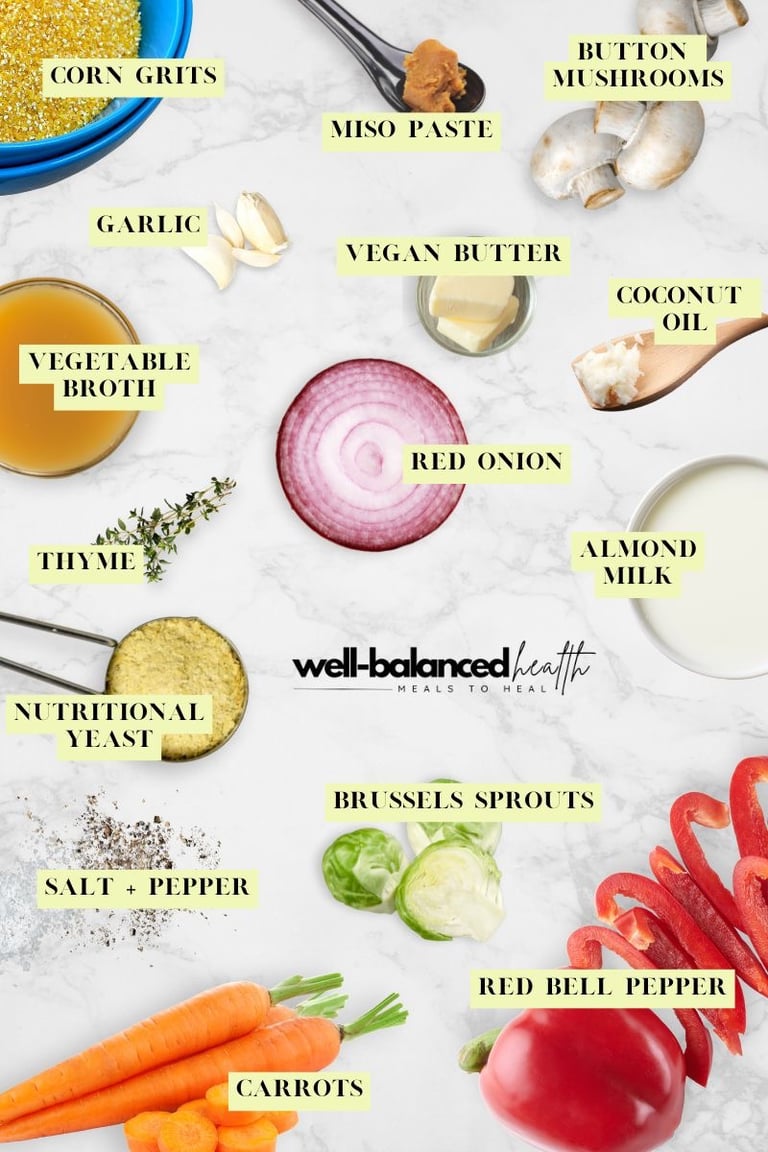
Super Creamy Carrot Polenta Ingredients:
1 cup almond milk
3 1/2 cups water
1 cup polenta, or corn grits
1/4 cup nutritional yeast
1/2 teaspoon salt
1/4 teaspoon pepper
3 tablespoons (vegan) butter
3 large carrots
2 cups vegetable broth
1 tablespoon miso
2 tablespoons coconut oil
2 cloves garlic
1/2 red onion
2 cups Brussels sprouts
2 1/2 cups button mushrooms
1 red bell pepper
1/4 teaspoon salt
1/4 teaspoon pepper
2 tablespoons fresh thyme (or 2 teaspoons ground)
And for the bread:
4 slices of gluten-free bread
2 tablespoons (vegan) butter
5 garlic cloves
2 tablespoons fresh rosemary (or 2 teaspoons ground)
olive oil
Why You'll Love This Recipe: Cozy AND Good for You!
Supports Digestion & Gut Health: Miso, garlic, and Brussels sprouts add fiber and fermented-food qualities, while fiber-rich polenta and carrots support healthy digestion.
Rich in Vitamins & Minerals: Carrots, mushrooms, and bell peppers provide vitamins A and C, along with other nutrients that support immune function, skin health, and energy metabolism.
Plant-Based Protein: Nutritional yeast provides all nine essential amino acids, making it a complete plant-based protein, while fortified varieties can also be especially rich in B-complex vitamins.
Nourishing Fats: Coconut oil provides fat and medium-chain fatty acids that can be readily metabolized for energy.
Antioxidant Support: Thyme, garlic, and Brussels sprouts contain a variety of antioxidant and plant compounds that support the body’s natural defenses and overall wellness.


How to Make This Super Creamy Carrot Polenta (Summary)
Bring almond milk and water to a boil, then stir in corn grits. Reduce heat and cook for 30 minutes, stirring often. Mix in nutritional yeast, butter, salt, and pepper until smooth.
Simmer chopped carrots in vegetable broth until soft, then blend with miso, adding reserved broth as needed. Fold the puree into the polenta.
Sauté garlic and onion in coconut oil, then add Brussels sprouts, mushrooms, bell pepper, salt, pepper, and thyme. Cook until tender, then stir in reserved broth and remove from heat.
Serve carrot-infused polenta topped with sautéed vegetables. (Optional: Serve with rosemary-garlic toast.)
More Recipes You May Like:
© 2026. Well-Balanced Health. All rights reserved.